




Lithium vs Alkaline Batteries: Which One Lasts Longer for Your Devices?
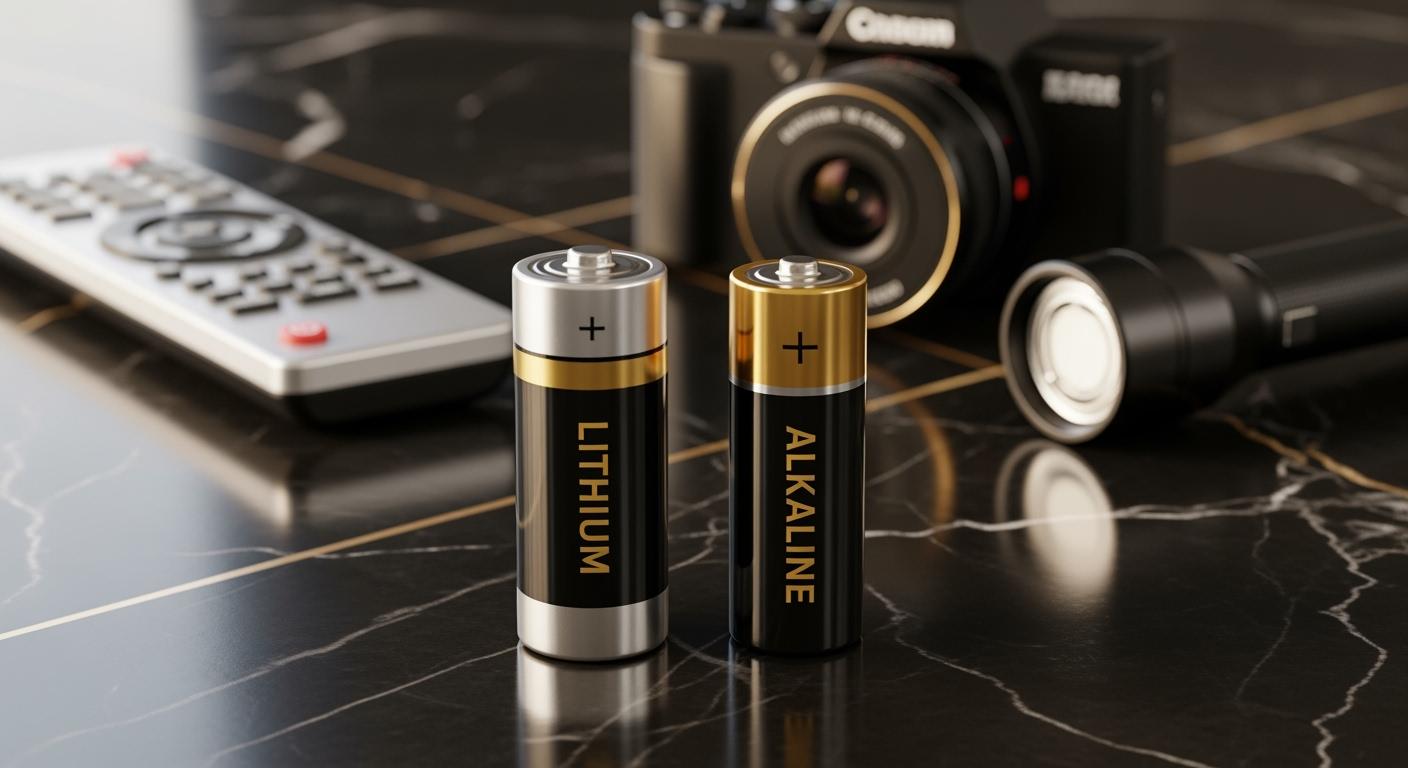
When choosing the best battery for your devices, it's important to consider lithium vs alkaline batteries. Lithium batteries tend to last longer and perform better in high-power devices or challenging conditions. On the other hand, alkaline batteries are more affordable and suitable for low-power devices. Before making a decision, you should evaluate the battery's performance, longevity, cost, compatibility with your device, and its environmental impact.
Key Takeaways
- Pick lithium batteries for devices that need a lot of power. They work longer and do well in very hot or cold places.
- Use alkaline batteries for things that do not need much power. They cost less and are good for things like remotes and clocks.
- Think about how long the battery will last. Lithium batteries can cost more at first but save money later because they last longer.
- Throw away batteries the right way to help the earth. Lithium batteries need special care when you get rid of them, but you can sometimes throw away alkaline batteries.
- Always look at your device’s guide to see what battery it needs. The right battery helps your device work its best.
Best Battery Choice
Lithium vs Alkaline Batteries: Quick Overview
When you look at lithium vs alkaline batteries, you notice they are different. They work in different ways and fit different devices. Picking the right battery is important for your device. Knowing these differences helps you choose wisely.
Here is a table that lists the main features of lithium batteries and alkaline batteries:
| Feature | Lithium Batteries | Alkaline Batteries |
|---|---|---|
| Voltage and Performance | Higher voltage (3.2V to 3.6V), better for high-power devices | Lower voltage (1.5V), suitable for low-powered devices |
| Lifespan | Rechargeable, longer lifespan in use | Disposable, shorter lifespan when used |
| Reusability | Can be reused multiple times | Non-reusable, must be disposed of after use |
| Charge Density | Higher charge density, more compact | Lower charge density, bulkier |
| Cost | Higher initial cost, but more economical over time | Lower initial cost, but less economical in the long run |
You can see lithium batteries have higher voltage and last longer. Alkaline batteries are cheaper at first and work well for simple things.
When to Choose Lithium Batteries
Pick lithium batteries if you need strong power and long life. These batteries are best for things that use lots of energy or need steady power.
- Use lithium batteries for:
- Digital cameras and pro equipment
- Flashlights and headlamps for outside
- Wireless keyboards and mice
- Medical devices
- Toys that need lots of power
- Devices used in cold places
Lithium batteries have more energy packed inside. They are light and small, so they fit in portable things. You can recharge a lithium battery many times, which saves money later. They also work well in very hot or cold weather.
Tip: If you use your device a lot or want it to last, lithium batteries are the best deal.
When to Choose Alkaline Batteries
Choose alkaline batteries for things that do not need much power and when you want to save money. These batteries are easy to buy and work for most daily items.
- Use alkaline batteries for:
- Remote controls
- Wall clocks
- Smoke detectors
- Simple toys
- Flashlights for home
- Radios
Alkaline batteries give steady power. They last a long time on the shelf, so you can keep them for later. You cannot recharge an alkaline battery, so you throw it away when it is empty.
Note: If you use your device only sometimes or want to spend less, alkaline batteries are a smart pick.
Quick Summary of Key Differences
- Lithium batteries last longer, work better in high-power things, and save money over time.
- Alkaline batteries cost less at first, are good for low-power things, and are easy to find.
- Pick the battery that matches your device’s power needs and how often you use it.
Performance: Lithium vs Alkaline Batteries
Energy Density and Power Output
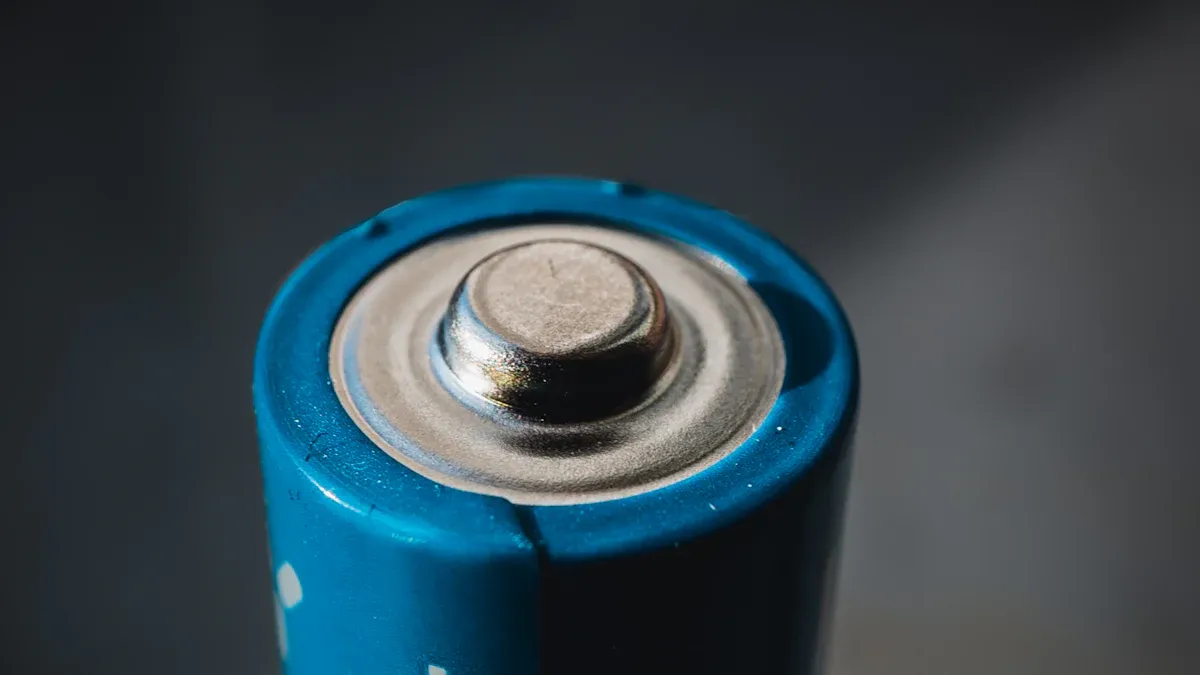
When you look at lithium batteries and alkaline batteries, you see they are not the same. Lithium batteries hold more energy in a small size. This gives your devices more power, especially if they need a lot of energy. For example, a lithium battery can make your camera last longer than an alkaline battery. Devices that need strong and steady power work better with lithium batteries.
Alkaline batteries are good for simple things. They do not give as much energy as lithium batteries. If you use a remote or a clock, alkaline batteries are fine. If your device needs lots of power, lithium batteries are a better pick.
| Battery Type | Energy Density | Power Output | Best Use Cases |
|---|---|---|---|
| Lithium Batteries | High | Strong | Cameras, flashlights, toys |
| Alkaline Batteries | Medium | Moderate | Remotes, clocks, radios |
Tip: If you want your device to last longer and work better, use lithium batteries for things that need lots of energy.
Shelf Life and Self-Discharge
Shelf life means how long a battery can sit before it loses power. Self-discharge is how fast a battery loses energy when you are not using it. Lithium batteries last longer on the shelf than alkaline batteries. You can keep a lithium battery for years, and it will still work. The self-discharge is very low, so you do not lose much power.
Alkaline batteries also last a while, but they lose energy faster than lithium batteries. If you keep alkaline batteries for a long time, they may not work as well. You should use alkaline batteries for things you use often or for backup at home.
- Lithium batteries: Stay good up to 10 years on the shelf. Very low self-discharge.
- Alkaline batteries: Stay good up to 5 years on the shelf. Higher self-discharge.
Note: If you want to keep batteries for emergencies or long trips, lithium batteries are the best choice.
Consistent Voltage and Reliability
You want your devices to work well every time. Consistent voltage helps your device run without problems. Lithium batteries give steady voltage from start to finish. Your device gets reliable power, so it works great. This is important for electronics and gadgets that need steady power.
Alkaline batteries start strong but lose voltage as you use them. Your device may slow down or stop before the battery is empty. This is a problem with alkaline batteries. If you need your device to always work, use lithium batteries.
- Lithium batteries: Steady voltage, reliable, good for important devices.
- Alkaline batteries: Voltage drops over time, not as reliable for high-power things.
Alert: For things that must work every time, like medical tools or safety gear, lithium batteries are the safest pick.
Now you know how lithium vs alkaline batteries work in real life. You can pick the right battery by looking at energy, shelf life, and how reliable it is.
Cost Comparison
Upfront Price: Lithium Battery vs Alkaline Battery
When you buy batteries, you see the price is different. A lithium battery costs more than an alkaline battery. You pay a higher price for lithium batteries at the store. Alkaline batteries are cheaper, so you might pick them to save money now.
Here is a simple table to show the upfront cost:
| Battery Type | Average Price (per unit) | Disadvantages |
|---|---|---|
| Lithium Battery | $2.50 - $5.00 | Higher initial cost |
| Alkaline Battery | $0.50 - $2.00 | Shorter lifespan, not rechargeable |
Note: If you only use your device sometimes, alkaline batteries help you spend less at first.
Long-Term Value and Lifespan
You should think about more than just the price. How long a battery lasts changes how much you spend later. Lithium batteries last much longer than alkaline batteries. If the lithium battery is rechargeable, you can use it many times. This means you buy fewer batteries over time.
Alkaline batteries are not as good for things that need lots of power. You have to change them more often, and that costs more. If you use batteries every day, lithium batteries save you money in the end.
Think about these points:
- Lithium batteries are better for high-drain devices.
- Alkaline batteries are good for low-drain devices and cost less at first.
- You buy fewer replacements with lithium batteries.
- Alkaline batteries need to be changed a lot in high-power devices.
Tip: If you want the best value and longer life, pick lithium batteries for things you use a lot.
When you look at lithium vs alkaline batteries, you see lithium batteries cost more at first but are a better deal later. Alkaline batteries are cheaper at the start but are not as good for things you use a lot.
Device Suitability: Alkaline Battery vs Lithium Battery
Low-Drain Devices: Alkaline Batteries for Lithium Polymer Battery Alternatives
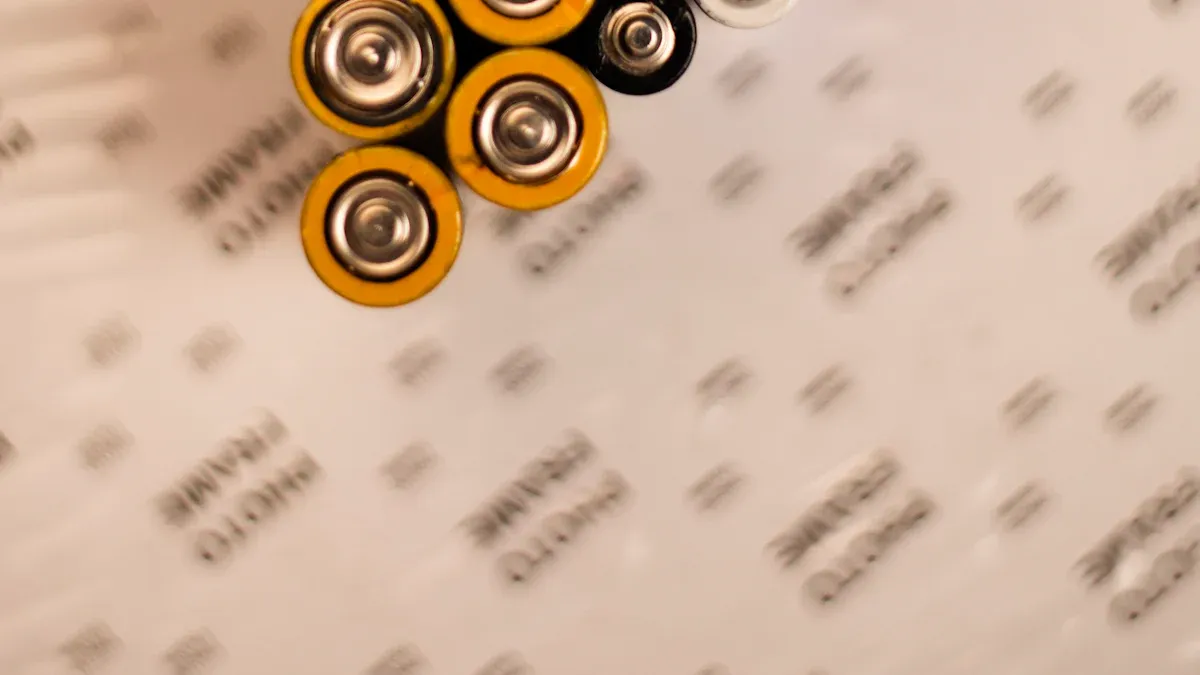
If you want your remote, clock, or radio to last a long time, use alkaline batteries. These batteries are best for things that do not use much energy. They give steady power and can sit on the shelf for years. Varta Longlife AA batteries are a good pick for these jobs. They are made for devices that do not need much energy and can be stored for up to 10 years. You get power that lasts and do not have to change batteries often.
- Varta Longlife AA batteries are great for remotes.
- They keep wall clocks running on time.
- Radios work well with alkaline batteries.
- These batteries give steady power to low-drain things.
- You get long shelf life and batteries you can trust.
Tip: Pick alkaline batteries for things that do not use much power. You will save money and not have to change batteries all the time.
High-Drain Devices: Lithium Batteries vs Alkaline Batteries for Lithium Polymer Battery Applications
Some things like cameras, flashlights, and toys need lots of power. These high-drain devices work better with lithium batteries. You get more energy and can use your device longer. Alkaline batteries do not last as long in these things. You might have to change them a lot, which is not good.
Here is a table that shows how lithium and alkaline batteries work in high-drain devices:
| Battery Type | Rechargeable | Ideal for High-Drain Devices | Suitable for Low-Drain Devices |
|---|---|---|---|
| Lithium | Yes | Yes | No |
| Alkaline | No | No | Yes |
You can see lithium batteries are best for high-drain things. They last longer and give steady power. Alkaline batteries are better for things that do not need much energy.
Note: If you use high-drain things a lot, pick lithium batteries. You get better results and do not waste time changing batteries.
Extreme Conditions and Portability for Lithium Polymer Battery Users
If you go outside or use things in cold weather, you need good batteries. Lithium batteries work well in hot or cold places. They keep their power even when it is very cold or hot. You can use them in small devices because they are light and easy to carry. Alkaline batteries do not work as well in tough weather. They lose power faster when it is very cold or hot.
If you travel or use things outside, lithium batteries are a smart choice. You do not have to worry about your device losing power. You get steady energy and can carry them easily.
Alert: For outside use or extreme weather, pick lithium batteries. You get power you can trust and they are easy to take with you.
Now you know which batteries are best for your things. Alkaline batteries are good for low-drain devices. Lithium batteries are best for high-drain things and tough places.
Environmental Impact
Recycling and Disposal of Lithium Polymer Batteries
You should think about how you throw away batteries. Many people put old batteries in the trash, but this can hurt nature. Lithium polymer batteries and alkaline batteries need different ways to get rid of them. You must not put lithium polymer batteries in your regular trash can. These batteries have stuff inside that can make dirt and water dirty.
Environmental groups say you should do these things to stay safe:
- Take lithium polymer batteries to special recycling places. These places take out useful things like copper, aluminum, and black mass. This helps keep nature safe.
- Use local spots for battery recycling. Lots of stores and community centers have these spots. You help stop bad stuff from going into landfills.
- Sometimes you can put alkaline batteries in your home trash, but recycling is better. Some towns have programs to recycle alkaline batteries.
Recycling batteries helps keep the Earth clean. You also stop pollution and save important things.
Eco-Friendly Battery Choices for Lithium Polymer Battery Users
You can help the Earth by picking better batteries. Rechargeable batteries, like lithium-ion and nickel-metal hydride, are better for nature than throw-away batteries. These batteries last a long time and you can use them hundreds or even thousands of times. This means less trash and saves natural things.
Here are some reasons to pick eco-friendly batteries:
- Rechargeable batteries make less trash because you use them again and again.
- You help save resources by throwing away fewer batteries.
- Long-lasting batteries mean you go to the store less and use less packaging.
| Battery Type | Eco-Friendly Level | Lifespan | Waste Produced |
|---|---|---|---|
| Lithium Polymer | High | Very Long | Low |
| Alkaline | Low | Short | High |
If you want to help the planet, choose rechargeable batteries for your things. You do something good every time you recycle or use a battery again.
Battery Comparison Table
Side-by-Side Features
You need to choose the best batteries for your things. This table shows how lithium polymer batteries and alkaline batteries are different. Check each feature to see which battery is right for you.
| Feature | Lithium Polymer Batteries | Alkaline Batteries |
|---|---|---|
| Energy Density | Very high | Medium |
| Shelf Life | Up to 10 years | Up to 5 years |
| Weight | Light | Heavier |
| Rechargeable | Yes | No |
| Best for | High-drain and portable devices | Low-drain and household devices |
| Performance in Cold | Excellent | Poor |
| Cost | Higher upfront | Lower upfront |
| Environmental Impact | Less waste, recyclable | More waste, less recyclable |
Tip: Look at this table when you shop for batteries. It helps you find the best battery for your device.
Quick Decision Guide
Picking batteries can be hard sometimes. Here is an easy guide to help you every time:
- Use lithium polymer batteries for cameras, drones, or outdoor things. These batteries last longer and work in hot or cold weather.
- Pick alkaline batteries for remotes, clocks, or toys that do not need much power. These batteries cost less and are easy to buy.
- If you want to save money later, get rechargeable lithium polymer batteries. You will buy fewer batteries and help the planet.
- For travel or emergencies, lithium polymer batteries give steady power and are easy to carry.
Note: Always read your device’s manual before buying batteries. Some devices need a certain battery to work best.
Now you can choose the right batteries for your things. Use the table and guide to help you make good choices for every device.
You want your device to have the best battery. Lithium batteries are good for things that use a lot of power. They also work well outside. Alkaline batteries are better for things like clocks and remotes. These do not need much energy. Before you pick a battery, think about these things:
- Can you recharge it?
- How much does it cost?
- How long does it last?
- Is it safe to use?
- Does it hurt the environment?
Pick lithium batteries if you need more power or want something easy to carry. Choose alkaline batteries for simple things and to save money. Remember, your choice can help or harm the Earth.
FAQ
What devices work best with lithium batteries?
Lithium batteries are good for cameras, flashlights, and medical devices. They give strong power and last a long time. These batteries also work well in hot or cold weather.
Can you recharge alkaline batteries?
You cannot recharge normal alkaline batteries. You have to throw them away after you use them. Some companies make "rechargeable alkaline" batteries, but they do not last as long as lithium or NiMH rechargeable batteries.
Are lithium batteries safe to use?
Lithium batteries are safe if you use them the right way. Do not mix old batteries with new ones. Keep them away from heat and water. If a battery leaks or gets bigger, you should change it right away.
Which battery is better for the environment?
Rechargeable lithium batteries are better for the Earth. They make less trash. You should recycle all batteries at special places. This keeps bad stuff out of landfills.
How do you store batteries for emergencies?
Keep batteries in a cool and dry spot. Store them in the box they came in. Look at the expiration date before you use them. Lithium batteries stay good on the shelf longer than alkaline batteries.
-

 May.2026.05.21IEC 62133 Rechargeable LiPo Battery for Medical Devices GuideLearn More
 -
 May.2026.05.20Custom UL2054 Certified Lithium Polymer Battery Pack: Complete OEM GuideLearn More
 -
 May.2026.05.20Battery for Portable PA System: Complete Guide to Lithium Battery Solutions for Professional Audio EquipmentLearn More
 -
 May.2026.05.19What Battery Is Used in Portable Guitar Amplifiers? A Complete Technical & Practical GuideLearn More
 -
 May.2026.05.15Complete Guide to Portable Amplifier Battery Packs (Li-ion & LiFePO4 Solutions)Learn More