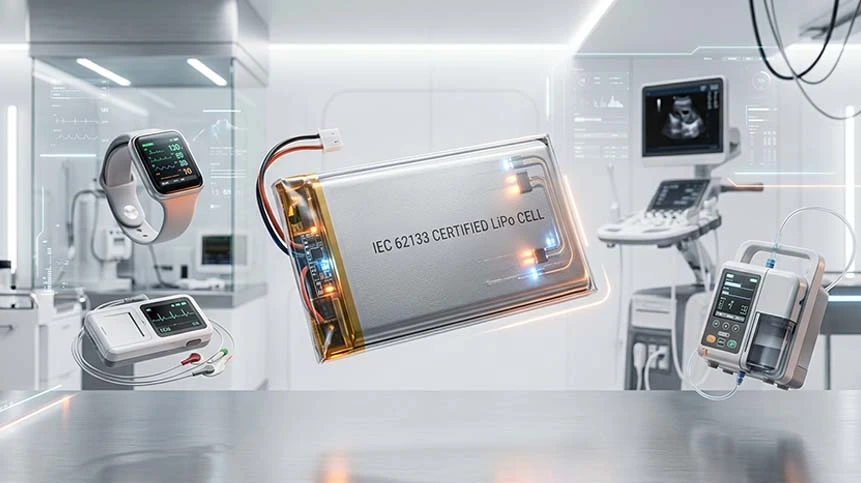




In modern medical devices, choosing the correct 18650 rechargeable lithium-ion battery is a critical engineering and procurement decision. Unlike consumer electronics, failures can impact patient safety, regulatory compliance, and long-term reliability. This guide covers all dimensions — technical performance, risk mitigation, supplier evaluation, lifecycle management, and real-world OEM case studies in Europe and North America.
Table of Contents
- Overview: 18650 in Medical Devices
- Critical Technical Specifications
- Performance Risks and Failure Modes
- Lifecycle, Aging & Storage Considerations
- Compliance & Regulatory Requirements
- Supplier Evaluation & Procurement Strategies
- Case Studies
- Cost, TCO, and ROI Considerations
- FAQ
Overview: 18650 in Medical Devices
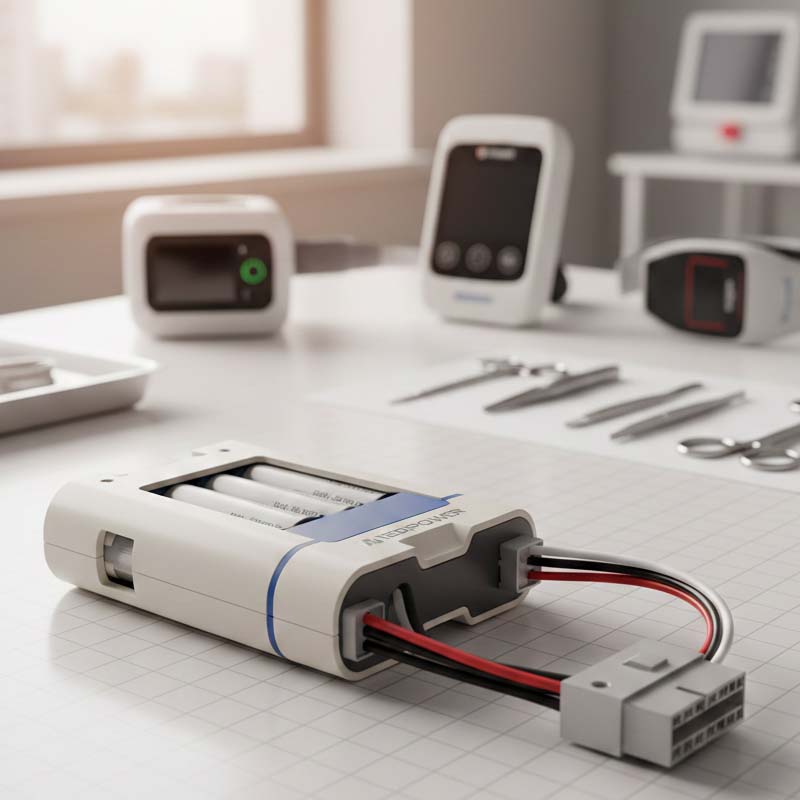
The 18650 lithium-ion cell is widely used due to its energy density, reliability, and form factor. In medical devices, however, the requirements extend beyond nominal capacity and voltage:
|
 |
Critical Technical Specifications
Key specifications that directly impact medical device reliability include:
| Specification | Importance |
|---|---|
| Nominal Capacity (mAh) | Baseline energy, but must be considered with discharge profile |
| Internal Resistance (mΩ) | Affects heat generation and cell balancing in multi-cell packs |
| Self-Discharge Rate | Ensures device readiness after storage periods |
| Cycle Life at Partial DoD | Predicts longevity under typical device use |
| Temperature Coefficient | Maintains performance in medical-grade operating environments |
| Batch Traceability | Required for audits and post-market surveillance |
Internal resistance uniformity is particularly critical in series-connected cells; a 5 mΩ deviation can cause imbalance and early failure.
Performance Risks and Failure Modes
Early Capacity Degradation
Cells with insufficient formation and aging may lose 10–15% capacity in early cycles, affecting device runtime predictions.
Self-Discharge During Storage
Medical devices often sit on shelves for weeks. Excessive self-discharge can trigger maintenance or device failure upon deployment.
Thermal Runaway in Sealed Enclosures
Compact medical housings reduce heat dissipation. Even moderate loads can generate heat that accelerates aging or damages electronics.
Lifecycle, Aging & Storage Considerations
Understanding lifecycle behavior is essential for predicting device longevity and warranty costs:
| Metric | Consumer-grade | Medical-grade control |
|---|---|---|
| Capacity Tolerance | ±5% | ±2% |
| Formation/Aging Duration | 7–10 days | 21–30 days with data logging |
| Self-discharge Rate | 0.5–1%/month | ≤0.3%/month |
| Batch Consistency | Loose | Strictly controlled with statistical SPC |
Compliance & Regulatory Requirements
In addition to UN38.3 and IEC 62133, medical OEMs must demonstrate:
- Abuse tolerance under foreseeable misuse
- Long-term aging and storage evidence
- Full traceability for post-market surveillance
- Change management documentation
Regulatory reviewers now emphasize lifecycle evidence and process control as much as cell test reports.
Supplier Evaluation & Procurement Strategies
Selecting the right supplier requires evaluating beyond price:
- Experience with regulated medical industries
- Batch-level traceability and QC data sharing
- Design support for BMS integration and thermal management
- Consistency in supply over multi-year device lifecycle
Case Studies
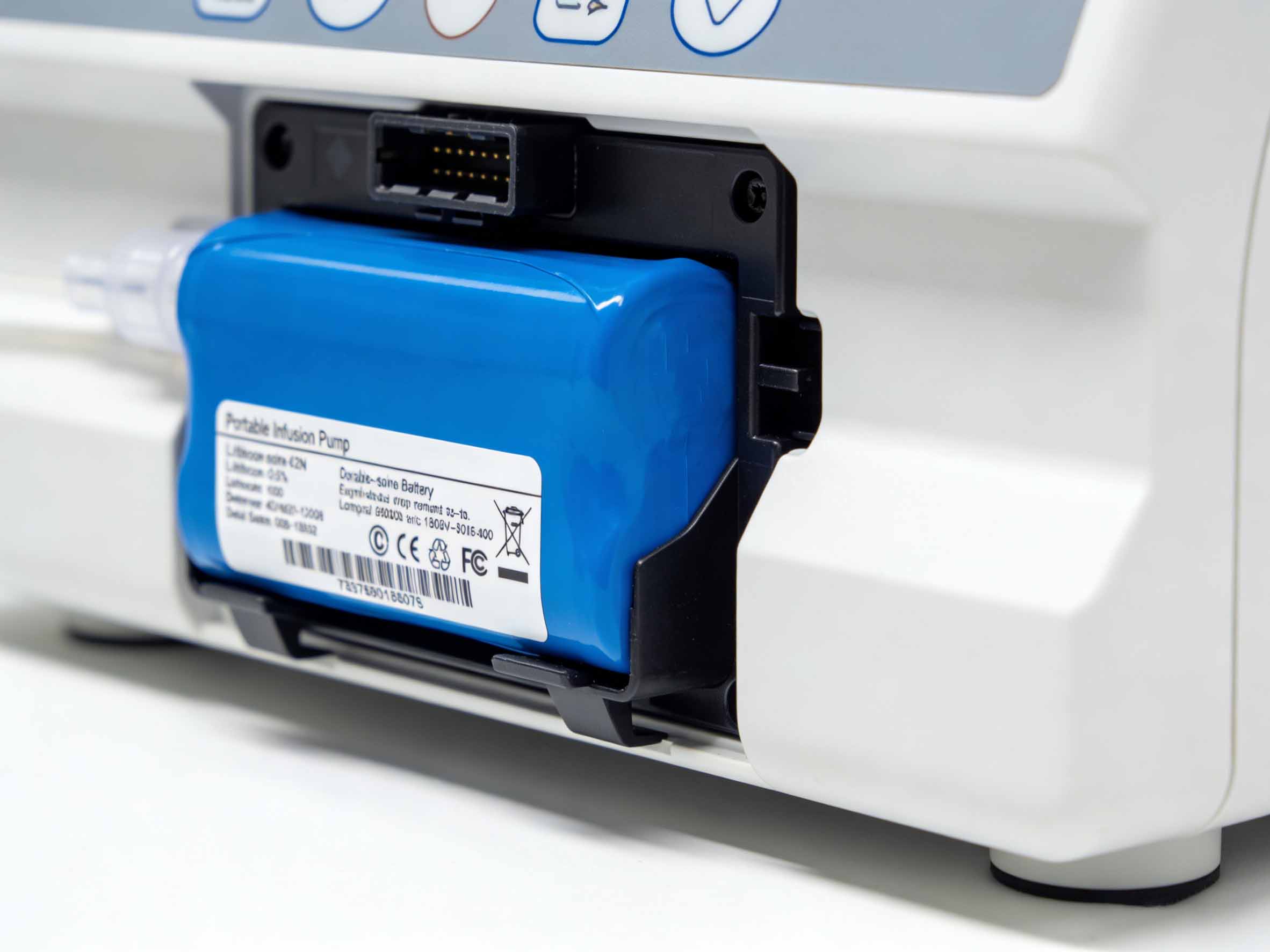
Portable Infusion Pump (Germany)
Problem: Early field failures due to partial DoD aging mismatch.
Solution: Switched to cells with extended formation and tighter IR distribution.
Result: Device runtime stabilized; regulatory audit passed without non-conformities.
Cost, TCO, and ROI Considerations
Medical OEMs often overemphasize upfront cell price:
- Cost of early redesigns due to batch inconsistency can exceed 5x initial savings.
- High-quality cells with extended formation reduce warranty claims.
- Total lifecycle cost includes certification, maintenance, and replacement — not just purchase price.
Frequently Asked Questions
Are standard 18650 lithium-ion batteries suitable for medical devices?
Not necessarily. Medical devices require strict aging, consistency, and traceability controls that typical consumer cells do not guarantee.
Is higher capacity always better for medical equipment?
No. Thermal stability, predictable aging, and partial DoD performance often matter more than maximum capacity.
What are the key risks when sourcing 18650 cells?
Early capacity fade, batch inconsistency, self-discharge during storage, and thermal management issues are the most critical.
Early battery selection decisions in medical OEM projects determine certification success, field reliability, and long-term cost.
If you are evaluating 18650 rechargeable batteries for medical devices, collaborating with suppliers and reviewing lifecycle data early reduces redesign and compliance risks.