




Top Tips for Designing Custom Lithium Polymer Battery Packs
You might need a special battery if regular ones do not work for your device. Custom lithium polymer batteries let you pick the best shape, size, and charging speed for your project. Designing the battery needs careful focus on safety and how well it works. Making changes helps you fit the battery to your own needs. > Begin by knowing what you need so you get good results.
Key Takeaways
- Know what your device needs before you design a custom lithium polymer battery. Think about voltage, capacity, size, and weight for best results.
- Always add a Battery Management System (BMS) to your design. It keeps things safe by checking temperature and voltage. It stops overcharging and helps the battery last longer.
- Pick good materials for your battery pack enclosure. Strong materials like aluminum or steel make it tough and help control heat.
- Test your battery in real-life situations to find problems. This makes sure it works well and is reliable where your device will be used.
- Follow safety rules and keep clear records for your battery design. This helps you follow the law and avoid problems when shipping or using it.
Understanding Applications and Requirements
When you design custom lithium polymer batteries, you must know what your device needs. Every device is different. You should think about voltage, capacity, shape, size, weight, and where the battery will be used. If you match the battery to your device, it will be safe and work well.
Voltage and Capacity
Pick the right voltage and capacity for your device. These decide how much power your battery gives and how long it lasts. Different devices need different voltage and capacity:
- Wearables and small electronics need less voltage and smaller capacity.
- Drones and strong devices need more voltage and bigger capacity for more power and longer use.
- Medical devices need steady voltage and good capacity to stay safe.
Voltage comes from the battery’s chemistry. Some types give higher voltages when charged. If you need more voltage, you can use more cells or pick another chemistry. This can change the battery’s size and weight.
Note: Most shipping rules for high-voltage devices are about lithium batteries. These batteries can be dangerous and may catch fire or explode if not handled right. You need UN38.3 certification and must follow shipping rules.
Shape, Size, and Weight
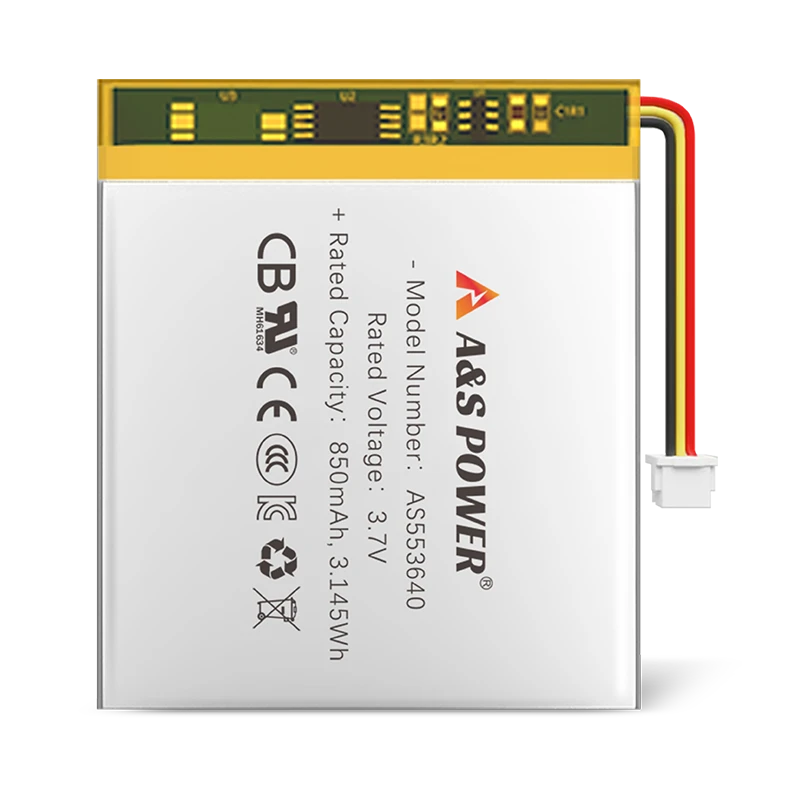
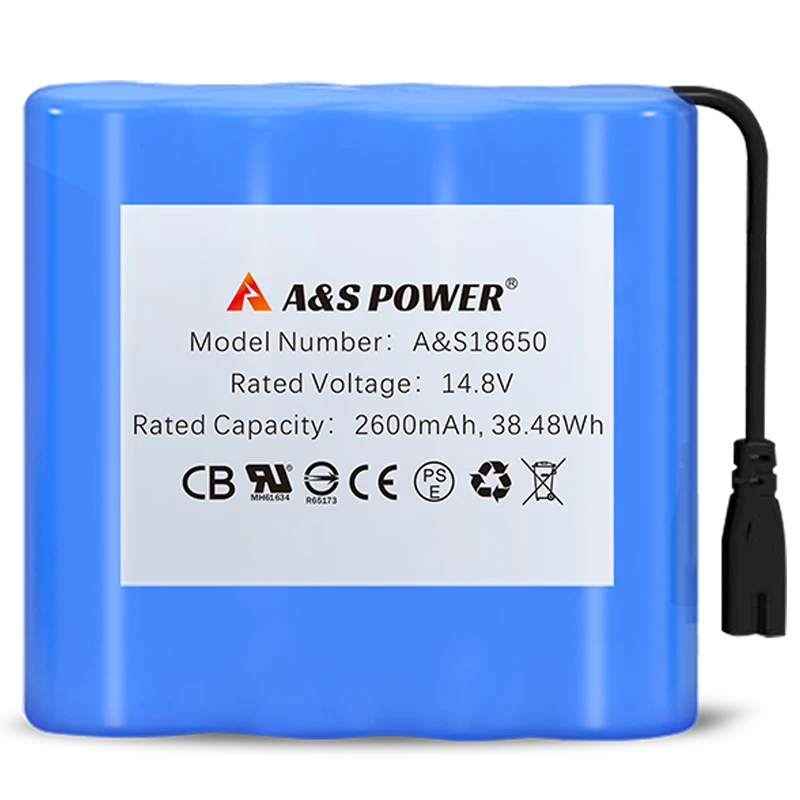
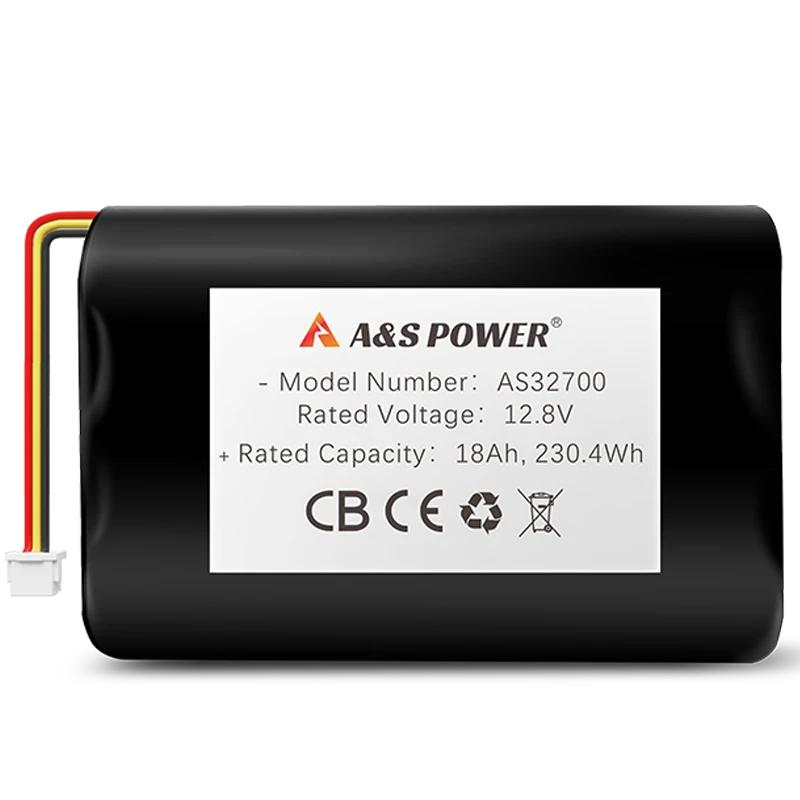
Your battery’s shape and size must fit your device. Think about how much space you have, how much weight your device can hold, and what shape works best. Custom lithium polymer batteries come in many shapes and sizes, like slim flat packs or round modules.
Here is a table with common battery standards:
| Parameter | Typical Range / Values |
|---|---|
| Nominal Voltage | 11.1V (3S), 12.6V (fully charged), 14.8V (4S) |
| Capacity Options | 1000mAh, 1500mAh, 2200mAh, 5000mAh, 10Ah, 20Ah+ |
| Discharge Rate (C) | 10C, 20C, 25C, 50C (customizable) |
| Energy Density | ~180–250 Wh/kg |
| Cycle Life | 300–1000+ cycles |
| Operating Temp. | -20°C to +60°C (up to +85°C for some packs) |
| Weight | 80g–2kg |
| Size | Slim flat packs to cylindrical modules |
Always balance size and weight with how much power your device needs. For example, drones need light batteries to fly. Medical devices need small batteries to fit inside.
Environmental Conditions
Where your battery works changes how safe and strong it is. Temperature is very important. High heat makes batteries age faster and can break down the inside parts. Cold slows down the battery’s reactions, so it works less well.
Vibration or shock can hurt the battery too. This damage makes the battery lose power over time. If your device faces heat or shaking, pick a battery that can handle it.
Tip: Test your battery in real-life situations. Make sure it works in the temperatures and places your device will be used.
If you know these needs, you can make a battery pack that fits your device and keeps it safe and working well.
Custom Lithium Polymer Batteries: Safety and Protection
When you make custom lithium polymer batteries, safety comes first. You must protect your device, people, and the environment. Good safety features and protection systems stop accidents. They also help your battery last longer.
Battery Management System (BMS)
A battery management system is very important for safety. The BMS watches and controls each cell in the battery pack. It checks temperature, voltage, and current. The BMS stops the battery from getting too hot or too full. It also keeps cells balanced. This helps your battery last longer and lowers risks.
- The BMS makes sure all cell voltages stay even. This lets your battery work at its best.
- The BMS keeps cells safe from harsh use.
- It stops overcharging and over-discharging. This keeps your battery strong and safe.
Tip: Always add a battery management system to your battery pack. This is the best way to keep your battery safe.
Protection Features
Every custom lithium polymer battery pack needs strong protection. These features stop problems like overcharging, over-discharging, and short circuits. The table below shows some of the best safety features:
| Safety Feature | Description |
|---|---|
| Overcharge Protection | Stops the battery from charging too much and lowers failure risk. |
| Over-discharge Protection | Makes sure the battery does not go below a safe voltage. |
| Reverse Polarity | Guards against wrong connections and keeps the battery and device safe. |
| Solid-state Electrolytes | Makes batteries safer by lowering leak risks. |
You should use protection circuit modules to stop overcharging and over-discharging. These modules use MOSFETs to control voltage. Integrated circuits watch voltage and run the MOSFETs. Thermistors check temperature and help stop overheating. Resistors and capacitors keep the circuit stable. Two MOSFETs work together: one stops overcharging and one stops over-discharging.
Note: Always check your battery pack’s enclosure design. Make sure it supports all protection features and keeps the battery safe from damage.
Best Practices for Use and Storage
You must follow good habits to keep your battery safe and working well. These habits help you avoid problems and make your battery last longer.
- Use the right chargers with overcharge protection.
- Do not let your battery drop below 3.0V per cell.
- Store batteries at room temperature in a fireproof box.
- Check batteries often for swelling or damage.
Here is a table with more best practices for storing custom lithium polymer batteries:
| Best Practice | Description |
|---|---|
| Keep cool and dry | Store batteries in a cool, dry place to stop moisture and heat damage. |
| Partial charge for long-term storage | If storing for a long time, keep batteries at about half charge. |
| Regular checks | Check stored batteries sometimes and recharge if needed. |
| Avoid inactivity | Charge batteries sometimes even if you are not using them. |
| Avoid physical damage | Do not drop, poke, or stress batteries to stop inside damage. |
| Use protective covers | Use covers to stop short-circuits and damage during moving or storage. |
| Avoid extreme temperatures | Store batteries where it is not too hot or cold. |
| Control humidity | Too much moisture can hurt batteries, so keep them dry. |
| Prevent short-circuits | Store batteries in non-metal boxes to stop short-circuits. |
| Allow for airflow | Store batteries where air can move to cool them down. |
| Avoid enclosed spaces | Do not keep batteries in sealed boxes, as this can trap heat. |
⚠️ Always follow these safety tips to keep your battery and device safe.
When you use the right protection and follow good habits, your batteries stay safe and last longer. You protect your money and make sure your battery pack works well for years.
Custom Battery Pack Design

Enclosure and Materials
You must pick the right enclosure and materials. The enclosure keeps the cells safe and helps the battery pack design. You can use steel, aluminum, thermoplastics, or long-glass fiber polypropylene. Each material has its own good points for your custom battery pack:
| Material | Advantages |
|---|---|
| Steel | Very strong, lasts long, saves money. |
| Aluminum | Light, strong, moves heat well. |
| Thermoplastics | Not heavy, stops flames, easy to shape. |
| Long-glass fiber polypropylene | Tough, light, makes things work better and safer. |
Choose a material that fits your battery pack design. For example, aluminum is good if you want a light custom battery pack that cools well.
Mechanical Integrity
Your custom battery pack must handle stress, shaking, and hits. Good battery pack design keeps cells safe and together. Use strong supports inside and put cells in ways that stop shaking. Test your custom battery pack for strength and how well it handles shaking.
| Aspect | Description |
|---|---|
| Structural Design | Spreads out stress and helps cooling. |
| Vibration Resistance | Supports and layout protect from shaking. |
| Thermal Control | Sensors and heat spreaders keep it cool. |
Use tough materials like CNC-machined aluminum for the outside. This helps your custom battery pack last longer and stay safe.
Thermal Management
Thermal management is very important in battery pack design. You must stop overheating and keep your custom battery pack at the right temperature. You can use active or passive ways to move heat:
- Active Heat Transfer: Uses fans or pumps to control heat. This way costs more and needs more care.
- Passive Heat Transfer: Uses materials that move heat away by themselves. This way is easy and needs less care.
Thermal management keeps your custom battery pack safe when charging and using it. It also helps your battery pack design work well in many places.
Tip: Always test your custom battery pack in real life to check for heat problems, shaking, and how strong the enclosure is.
Cell Selection and Configuration
Battery Chemistry
You have to pick the right battery chemistry. The chemistry changes how much energy the battery holds. It also affects safety and how the battery works in different places. Here is a table to help you compare important things:
| Criteria | Description |
|---|---|
| Energy Density | How much energy fits in the battery’s size or weight. |
| Discharge Rate | How fast the battery gives energy to your device. |
| Temperature Range | The safe temperature limits for the battery to work well. |
| Safety Features | Built-in ways to stop problems like getting too hot or catching fire. |
| Sustainability | How the battery materials affect the environment and if they can be recycled. |
You can choose from different chemistries for custom lithium polymer batteries. Lithium Iron Phosphate (LiFePO4) is very safe and handles heat well. Lithium Nickel Manganese Cobalt Oxide (NMC) gives good performance and costs less. Lithium Polymer (LiPo) is light and can be made in many shapes.
Series and Parallel Arrangements
You need to pick how to connect your cells. Series and parallel setups change how your battery pack works. The table below shows the main differences:
| Arrangement Type | Advantages | Disadvantages |
|---|---|---|
| Series | Raises the total voltage and keeps charging even. | One bad cell can hurt the whole pack. |
| Parallel | Makes the battery last longer and hold more energy. | Voltage stays the same as one cell. |
Connecting cells in series makes the voltage higher. Connecting cells in parallel gives more power and longer use. You must balance these choices to fit your device and make the battery pack work better.
Cell Matching and Quality
You need to use good cells for your custom battery. Start by sorting and matching cells that work the same. Test each cell for how much energy it holds, how much resistance it has, and its open circuit voltage. This helps you group cells that work well together and makes your battery pack stronger.
You need careful machines and assembly for custom lithium-ion battery packs. Always check for safety and quality at every step. This keeps your battery safe and working for a long time.
Tip: Always test and match your cells. This stops weak spots and failures in your battery pack.
Prototyping and Testing Lithium Battery Packs
Prototype Evaluation
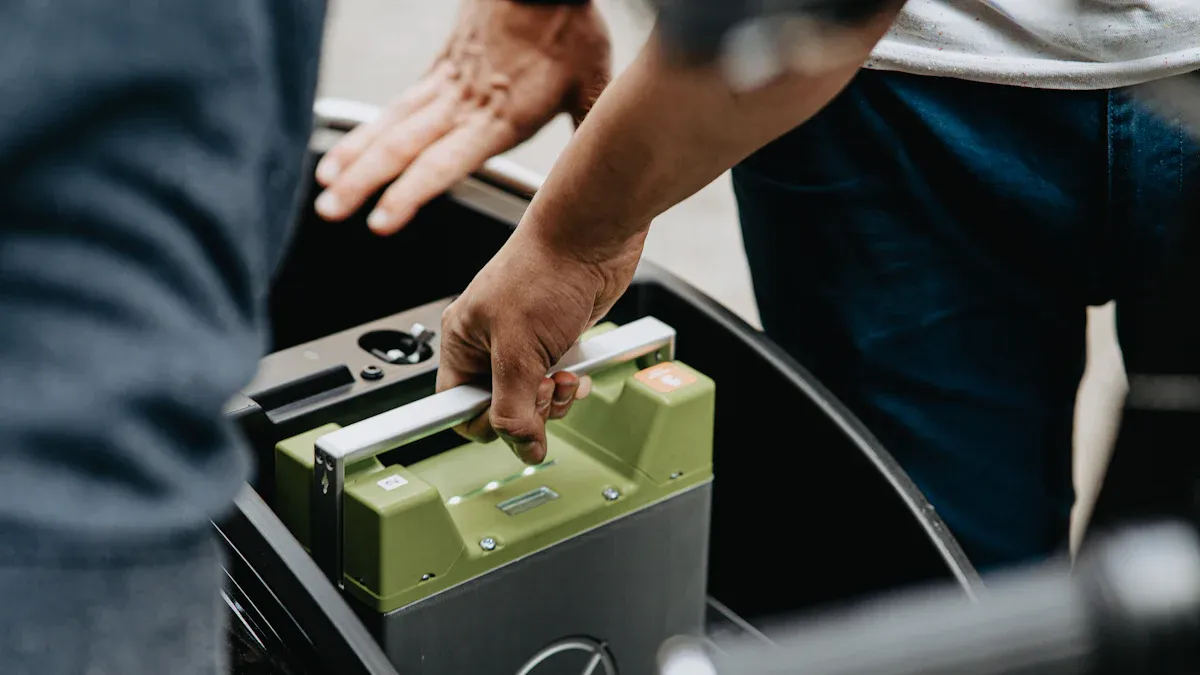
You need to make a strong prototype first. Use 3D-printed models to check if parts fit. This helps you find space problems early. Test the shape and fit with printed cases. Make sure the battery works for your device. Check if the battery keeps cool enough. Move sensors to better spots for good monitoring. Test how well the battery handles shaking. Run safety checks to find weak points. Look at how easy it is to put together.
| Evaluation Step | Description |
|---|---|
| Testing mechanical form and fit | Use 3D printed enclosures to ensure proper fit. |
| Confirming electrical performance | Ensure the battery meets specified electrical requirements. |
| Validating thermal management | Check that cell temperatures are maintained effectively. |
| Refining BMS sensor placements | Adjust sensor placements and controls for optimal function. |
| Qualifying vibration resistance | Test durability through shaker table testing. |
| Verifying design safety | Conduct failure mode and effect analysis for safety. |
| Improving manufacturability | Evaluate assembly processes to enhance manufacturability. |
Real-World Testing
You must test batteries to make sure they last. Start by checking how they handle heat and wetness. These tests show how batteries work in different places. Shake the battery to see if it stays strong. Use machines to test how well the battery works. Test how much power the battery gives. Check safety and inside resistance before shipping. Use tools to find any problems with battery performance.
- Temperature and humidity tolerance
- Vibration tolerance
- Electronic load
- Battery load
- Comprehensive battery testing
- Diagnostics
Tip: Real-world testing helps your battery work better and last longer.
Iteration and Improvement
You need to keep making your battery better. Use smart tools to model and test quickly. Make steps easier by using lean manufacturing ideas. Work with customers to talk and decide faster. Pick parts that are easy to get and work well. Design for Assembly makes building faster and uses fewer parts.
| Strategy | Description | Impact on Development Timelines |
|---|---|---|
| Advanced Tools & Technologies | Use modeling, simulation, and prototyping tools for rapid iteration. | Accelerates design validation to meet specifications. |
| Streamlined Processes | Apply lean manufacturing for faster transitions from concept to production. | Reduces time from design to production. |
| Collaborative Partnerships | Work closely with customers for effective communication. | Minimizes delays in the development process. |
Check cell types and parts for how well they work and if you can get them. Use DFA to make building easier. Work with makers to get parts on time. These steps help your battery work better, last longer, and be easier to check.
Compliance, Certification, and Support
Industry Standards
When you design custom lithium polymer battery packs, you must follow important rules. These rules keep your battery pack safe and help it work well. You need to check for certifications before you use or ship your battery pack. Some main standards are:
- UN38.3 Certification checks if your battery pack is safe to move.
- UL 1642 and UL 2054 test for fire safety and electrical safety in the US.
- IEC 62133 looks for problems like short circuits and overheating.
- CE marking means your battery pack follows health and safety rules in Europe.
- RoHS makes sure your battery pack does not have dangerous materials.
- UKCA is needed if you want to sell in Great Britain.
- CB Scheme lets you get approval in many countries with one test.
You also need to test your battery pack for shaking, bumps, and changes in temperature. These tests show if your battery pack can handle real-life use.
Tip: Always look up the newest rules before you start your design. Rules can change, and you might need new tests.
Documentation and Certification
You need to keep clear records for every part of your battery pack design. Good records help you get certified and show you follow safety rules. Here is a table with the main papers you need:
| Documentation Type | Description |
|---|---|
| RoHS | Makes sure your battery pack does not have harmful materials. |
| REACH | Lists chemicals and shows how to handle them safely. |
| WEEE | Sets rules for recycling and throwing away batteries. |
| EU Battery Directive | Says you need labels and limits some materials. |
| UN/DOT | Shows your battery pack passed shipping tests. |
| IATA | Proves your team knows how to ship batteries safely. |
| UL Standards | Shows your battery pack passed safety tests. |
| IEC Standards | Proves your design follows world safety rules. |
| CE Marking | Means your battery pack meets EU safety rules. |
Keep these papers ready for checks or if customers ask for them. Good records make your design work easier and help you avoid waiting.
Maintenance and Long-Term Support
You need a plan to keep your battery pack working well for a long time. Good care starts with smart choices when you design. Store your battery pack where it is not too hot or cold. Do not let it get too warm or too cold. If you store it for a long time, keep it half charged. Charge it every few months. Use a charger that fits your battery pack. Do not charge it all the way every time. This helps your battery pack last longer.
Check your battery pack for swelling or if it loses charge. Change your battery pack every year for the best results. Do not let your battery pack run out of power all the way. Make sure your battery pack matches your device’s power needs. Watch for signs of damage, like swelling or changes in shape. Keep track of how many times you charge it to see if it is still healthy.
⚡ Checking your battery pack often and making smart choices helps it stay safe and strong for many years.
You can make a custom lithium polymer battery pack that fits your size and weight needs.
- Try honeycomb cell setups to keep the battery light and small.
- Pick good cells and tough materials for safety and longer use.
- Test your battery in real places to find problems and make sure it works well.
Keep checking your battery often. This helps you find issues early and keeps it safe for a long time. Ask experts for help if your project is hard.
| Benefit | Result |
|---|---|
| Testing early | Less chance of failure |
| Smart choices in design | Battery lasts longer |
| Help from experts | Safer and better battery |
FAQ
What is the best way to choose lithium polymer battery pack capacity for my device?
Pick a battery pack that matches your device’s power needs. Figure out how much energy your device uses in one hour. Multiply that by how many hours you want it to work.
How do I safely store custom lithium polymer batteries?
Keep lithium polymer batteries in a cool, dry spot. Put them in a fireproof box. Store batteries at half charge if you will not use them for a long time. Look for swelling or damage before using them.
Can I use lithium polymer battery packs in outdoor environments?
You can use lithium polymer battery packs outside. Choose packs with waterproof cases and wide temperature ranges. Test your battery pack outside before you use it for real.
What protection features should my lithium polymer battery pack include?
| Protection Feature | Purpose |
|---|---|
| Overcharge Protection | Stops the battery from getting too hot. |
| Over-discharge | Keeps the battery from losing too much power. |
| Short Circuit | Prevents quick failures. |
Add these features to help your battery pack stay safe and work well.
How often should I check or replace my lithium polymer battery pack?
Check your battery pack every month for swelling or damage. Replace it every one or two years for best safety and performance.
-

 May.2026.05.21IEC 62133 Rechargeable LiPo Battery for Medical Devices GuideLearn More
 -
 May.2026.05.20Custom UL2054 Certified Lithium Polymer Battery Pack: Complete OEM GuideLearn More
 -
 May.2026.05.20Battery for Portable PA System: Complete Guide to Lithium Battery Solutions for Professional Audio EquipmentLearn More
 -
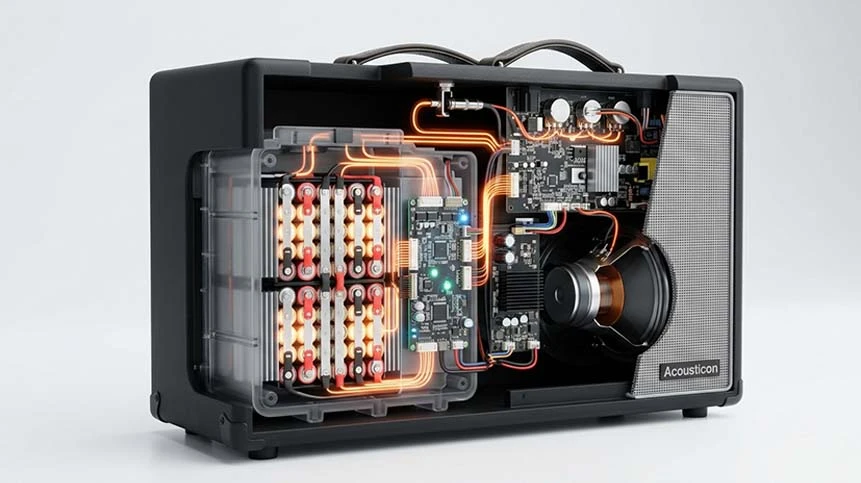 May.2026.05.19What Battery Is Used in Portable Guitar Amplifiers? A Complete Technical & Practical GuideLearn More
 -
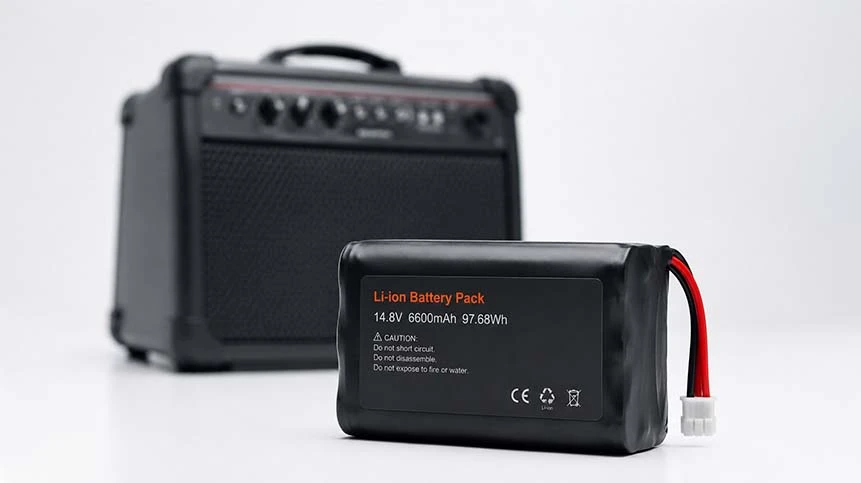 May.2026.05.15Complete Guide to Portable Amplifier Battery Packs (Li-ion & LiFePO4 Solutions)Learn More