




Batteries for Solar Lighting: The Ultimate 2025 Guide to Storage Efficiency and Longevity
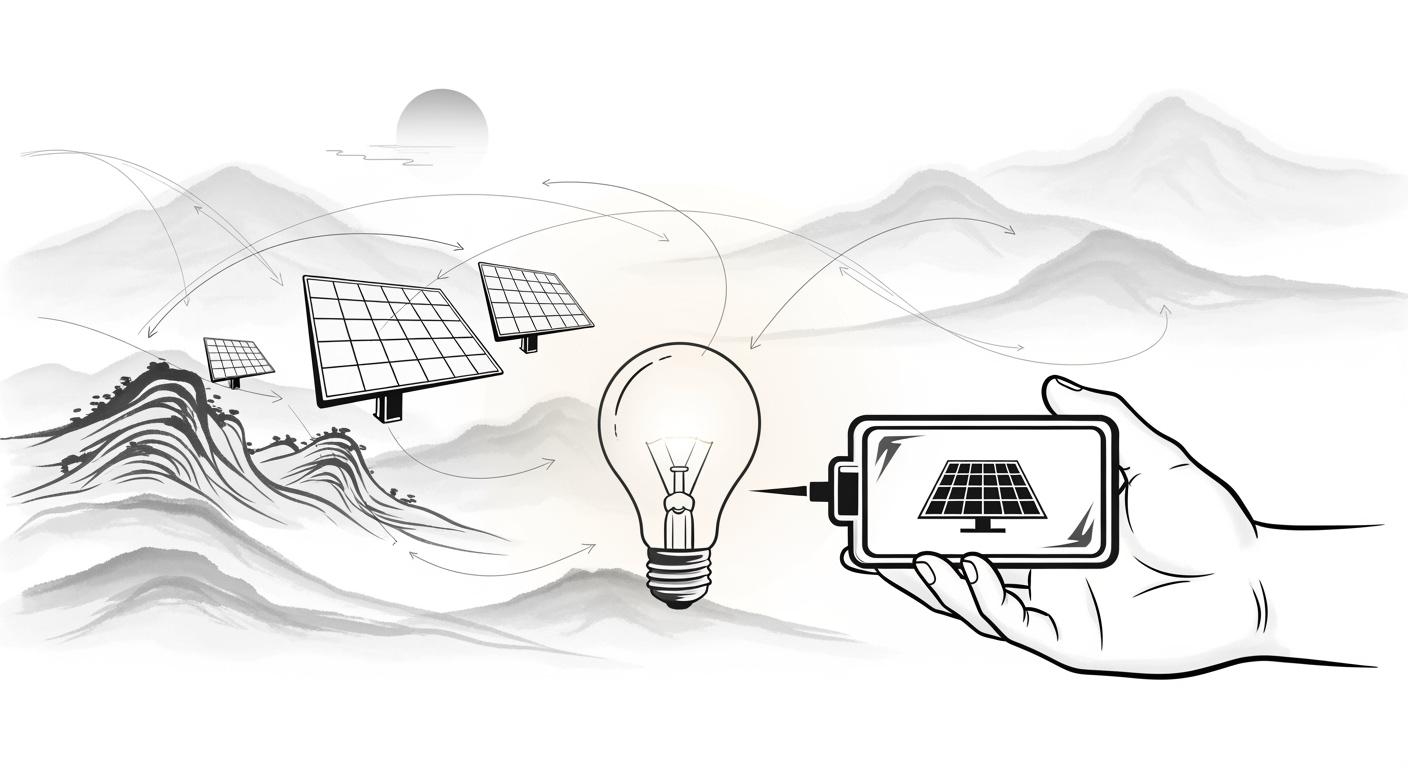
You will see that lithium-ion batteries and lithium iron phosphate (LiFePO4) batteries are the best choices for solar lighting batteries in 2025. These batteries work exceptionally well and have a long lifespan. Consider the following points:
- Lithium-ion batteries last between 10 to 15 years. They store a significant amount of energy.
- LiFePO4 batteries can last up to 20 years. They are safer and have a longer lifespan.
Choosing the right solar lighting batteries can significantly affect the performance of your solar lights. It also influences the longevity of your system. Take a look at the main battery types below:
| Battery Type | Lifespan | Energy Density | Charge-Discharge Cycles |
|---|---|---|---|
| Lithium-Ion | 10 to 15 years | High | More than others |
| Lead-Acid | 5 to 7 years | Lower | Fewer than lithium-ion |
| Lithium Iron Phosphate (LiFePO4) | Up to 20 years | Moderate | More than lead-acid |
You should monitor the performance of your solar lighting batteries closely. This is crucial if you want your solar lights to function effectively for many years.
Key Takeaways
- Pick lithium-ion or lithium iron phosphate batteries for solar lighting. These batteries last longer. They work better than other battery types.
- Check your battery's performance often. This helps your solar lights work well for many years.
- Think about the depth of discharge. Using only some of your battery's energy can make it last longer.
- Choose the right battery size for your solar lights. A good-sized battery keeps your lights on all night. It also saves space and money.
- Use government grants and subsidies. These can lower the cost of solar batteries. They help you get more value for your money.
Why Battery Choice Defines Your Solar Lighting Performance
Understanding the Role of Solar Batteries
Batteries store energy from your solar panels during the day. At night, your solar lights use this stored energy. This keeps your garden or driveway bright and safe. The battery is the heart of your solar lighting system. It makes sure you have light when you need it. Picking the right battery helps your solar lights last longer and work better.
Solar lighting batteries are not the same as regular solar batteries. These batteries must handle lots of charging and discharging. They need to give steady power, even when there is little sunlight. You want a battery that can deal with hot or cold weather. The best batteries for solar lighting have high energy density. They last a long time and work well in many conditions.
Recent research shows how battery choice changes how well your solar lights work:
- Lead-acid batteries last about five years. They are cheaper but not as efficient.
- Lithium-ion batteries can last up to fifteen years. They cost more but work better and last longer.
- Saltwater batteries are safe and good for the environment. Their cost and efficiency are different for each type.
You should choose a battery that fits your solar lighting needs. This helps you get the most from your solar lights.
The Shift to Lithium Iron Phosphate (LiFePO4) in 2025
In 2025, more people pick lithium iron phosphate batteries for solar lighting. These batteries are very safe and work well. They stay stable in heat and cold, so they do not break easily. Lithium iron phosphate batteries change DC to AC power very efficiently. This means you get more energy from your solar panels.
The table below shows why lithium iron phosphate batteries are popular for solar lighting:
| Feature | Description |
|---|---|
| Battery Type | Lithium FerroPhosphate (LFP) |
| Safety | High thermal and chemical stability |
| Efficiency | One of the highest DC/AC conversion efficiencies |
| MPPT Operating Range | Excellent for low light conditions |
| Battery Storage Capacity | Up to 10 kWh, suitable for home battery use |
| Compliance | Meets ESB micro-generational regulations |
You want a battery that follows new rules and is good for the planet. Lithium iron phosphate batteries help you save energy and last longer. If you want the best batteries for your solar lights, think about lithium-ion and LiFePO4. They are reliable and last a long time.
Factors Affecting Battery Efficiency and Lifespan
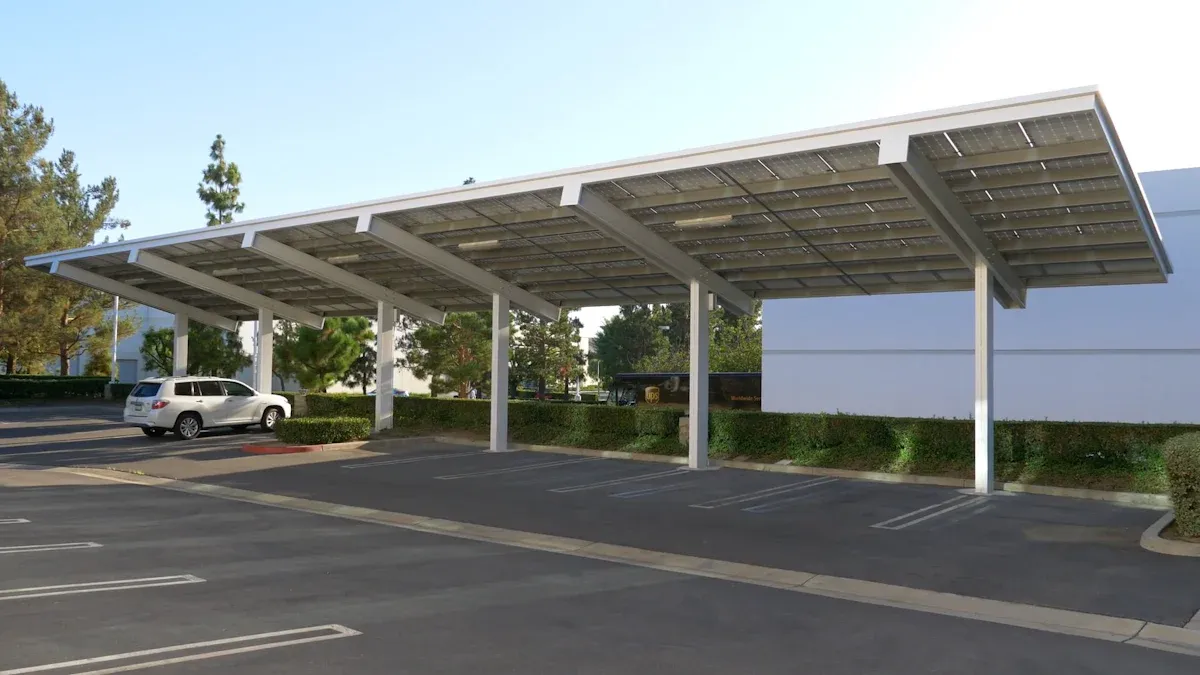
Capacity and Sizing for Solar Lighting
You must pick the right battery size for your solar lights. If your battery is too small, your lights might not stay on all night. If your battery is too big, you spend extra money and use more space. Knowing about battery chemistry and depth of discharge helps you choose the right size. The battery should match how much power your solar lights need. Make sure your solar battery can get fully charged with the sunlight you have. Badly sized batteries often stop working early, but you can stop this with good planning.
Tip: Always check how much energy your solar lights need before you buy a battery storage system.
Depth of Discharge
Depth of discharge is how much energy you use from your battery before charging it again. Most batteries last longer if you do not use all their power at once. For example, many solar batteries are set to use only about 90% of their total energy. If you use up all the battery’s energy often, it will not last as long. Using only a little bit of energy each time is better for the battery. Try not to empty your battery fully to keep it healthy.
Temperature and Climate Impact
Temperature changes how well your battery works. Solar batteries work best in cool and dry places. Very hot or cold weather can hurt your battery and make it less efficient. If you live where the weather is tough, pick lithium-ion phosphate batteries or LiFePO4. These batteries handle temperature changes better. Always put your battery somewhere safe from rain, snow, or strong sun. Keeping your battery in a steady place helps it last longer and keeps your solar lights working well.
| Temperature Range | Battery Performance | Longevity Impact |
|---|---|---|
| Cool & Dry | Optimal | Extended |
| Hot or Cold | Reduced | Shortened |
Charging Cycles and Maintenance
Each time you charge and use your battery, that is one cycle. The number of cycles tells you how long your battery will last. To get the best from your solar batteries, keep them charged between 20% and 80%. It is important to look after your battery. Check the wires, clean the ends, and watch for damage. A smart battery management system helps you check your battery and use energy better. Good batteries and proper care give you more cycles and better energy storage.
Note: Checking your battery often and using smart energy tools can help your solar battery last longer and keep your system good for the planet.
You can have bright solar lights and strong energy storage by picking the right battery, looking after it, and learning how solar battery storage works.
Cost-Benefit Analysis and ROI in 2025
Initial Investment vs. Lifetime Cycle Cost
When you pick a solar battery for your lights, think about the price now and later. Lithium-ion batteries and lithium iron phosphate batteries cost more at first. They are more expensive than older batteries. But these batteries work better and last longer. The best solar batteries can be used thousands of times. You do not need to replace or fix them as often. Good batteries give you strong power and are reliable. You also save money on your energy bills because these batteries store power well.
A home battery lets you use more of your solar energy. You do not need the grid as much. This helps you save money and is better for the planet. When you buy a solar battery, look at how many cycles it can do and the warranty. You want a battery that lasts a long time and works well. If you choose lithium-ion or lithium iron phosphate batteries, you get more for your money.
Tip: Work out the total cost, not just what you pay at the start. Add up installation, care, and how long the battery will last.
| Battery Type | Upfront Cost | Cycle Life | Replacement Cost | Efficiency | Longevity |
|---|---|---|---|---|---|
| Lithium-Ion | High | 4000+ | Low | High | Long |
| Lithium Iron Phosphate | High | 5000+ | Low | High | Very Long |
| Lead-Acid | Low | 1500 | High | Low | Short |
Government Subsidies and Rebates for Energy Storage
You can pay less for your solar battery with help from the government. In 2025, there are grants and rewards to make solar batteries cheaper. The SEAI Home Solar Grant pays for part of your battery and solar lighting. This grant makes it easier for people to buy solar batteries. You can save thousands of euros when you install your system.
- The SEAI Home Solar Grant pays for some of your costs.
- Lower VAT and feed-in tariffs make solar better for you.
- These rewards help you get your money back faster.
- Support from the government helps more people use solar lighting and batteries.
You get more value and quicker savings with these programmes. With help, you can pick the best solar batteries for your home. You also help the planet and make your home use energy better. Grants and rewards make solar lighting batteries easier for everyone to get and use.
2025 Market Trends: What’s New in Solar Storage?
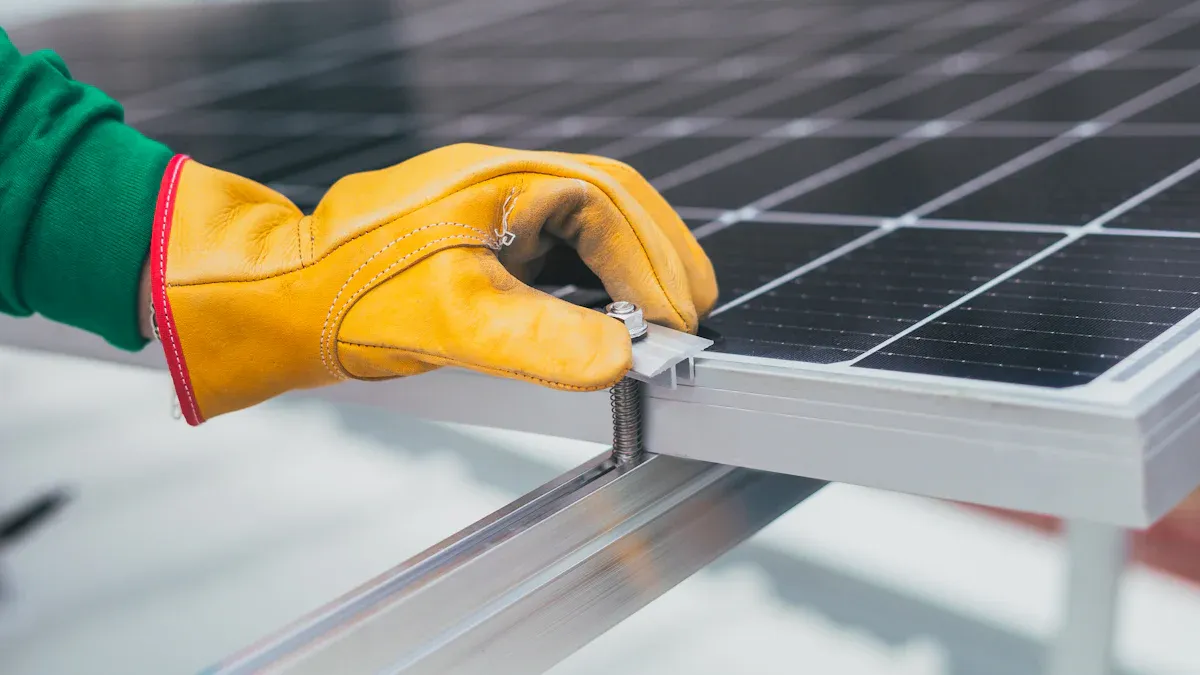
Integration of Smart BMS and AI Monitoring
In 2025, solar battery technology is changing a lot. Smart battery management systems and AI monitoring are now very important for solar lighting. These systems help you use your solar battery better. They can guess the weather, so your battery saves enough energy for cloudy days. AI monitoring looks at what you do each day and makes sure your battery gives power when you need it most. It also uses cheaper electricity times for charging from the grid, which saves you money.
Smart BMS stops your battery from getting too full and keeps it at a good temperature. This helps your battery last longer and work better. AI checks how you use energy, the weather, and electricity prices. It changes how your battery charges to fit your needs. You can link your solar battery to your smart home. The system will choose when to keep extra solar energy and when to use it. This helps you save more money and keeps your lights working well.
- Smart BMS and AI monitoring:
- Guess the weather and change storage
- Use energy in a way that fits your life
- Stop batteries from getting too full or too hot
- Help batteries last longer and work better
The Rise of Modular and Stackable Battery Systems
Now you can pick modular and stackable battery systems for your solar lights. These systems let you add more storage if you need it. You do not have to buy a whole new battery system. You just add another battery module. This makes solar lighting batteries easy to change and saves money.
Here is what you get with modular and stackable batteries:
| Feature | Description |
|---|---|
| Modular Architecture | Power Control Module sits on stackable battery modules. |
| Installation | Quick and simple setup, perfect for solar lighting projects. |
You can put these batteries in quickly, which is good for green lighting. Modular systems help you keep up with new ideas. You can make your solar battery better without much work. This helps you make green choices and use the best batteries for your home. Lithium-ion batteries and lithium iron phosphate batteries work well in these systems. You get strong power, high efficiency, and long life. You also help the planet by using clean energy.
Note: The battery energy storage systems market is growing quickly. More people want solar battery storage because prices are going down and there are grants. You can have good solar lighting and save more energy with these new ideas.
How to Select the Best Batteries for Solar Street and Outdoor Lighting
Calculating Your Capacity Requirements
You need to pick the right battery for your solar lights. First, find out how much power your LED bulbs use. Multiply this by how many hours your lights will be on each night. For example, a 5-watt LED used for 8 hours needs 40 watt-hours each day. Add 20–30% more to cover cloudy days and when the system is not perfect. This extra amount helps your battery store enough energy.
The battery type you choose changes how much energy you need. Lithium-ion batteries hold more energy in less space. They can use more of their stored energy. Lead-acid batteries need to be bigger because they cannot use all their power. If you use a 40-watt light for 14 hours, you need 560 watt-hours. A lithium-ion battery system needs only 623 watt-hours. A lead-acid system needs 2240 watt-hours. This shows why lithium-ion phosphate batteries are the best for most solar lighting.
Tip: Make sure your solar panel is big enough for your battery. If your panel is too small, your battery will not charge fully in winter.
| Criteria | Description |
|---|---|
| Battery Type | Lithium-ion phosphate batteries last long and work well. |
| Capacity | Work out total wattage and add extra for safety. Pick a battery with more capacity than you need. |
| Climate Considerations | Choose batteries that work in your local weather. |
| Maintenance | Clean and check batteries often to help them last longer. |
| Cost Analysis | Think about costs over time. Lithium batteries cost more at first but save money later. |
| Installation Compatibility | Make sure batteries are easy to reach and change. Central spots are good for big systems. |
Temperature Tolerance: Charging in Extreme Climates
You need to think about the weather when you pick a solar battery. Batteries do not work as well in very hot or cold places. Lithium-ion phosphate batteries work well even in tough weather. They keep your solar lights bright. If you live where it is very cold or hot, pick batteries that can handle these temperatures. This helps your battery last longer and keeps your lights working.
Depth of discharge changes with temperature too. In cold weather, batteries might not use all their energy. This means they store less power. In hot weather, batteries can get too warm and lose power. Put your battery in a safe place away from rain, snow, and sun. Check and clean your battery often to help it last longer.
- Think about weather, how well the battery works, and your budget.
- Pick batteries that can handle hot and cold for the best results.
- Clean and check your batteries often to keep your solar lights bright.
Note: The best batteries for outdoor solar lights are lithium-ion phosphate batteries. They work well, last a long time, and do a good job in any weather.
You now know which batteries are best for solar lights in 2025. The table below shows that lithium-ion and LiFePO4 batteries are top for efficiency and how long they last.
| Battery Type | Efficiency | Longevity | Cost |
|---|---|---|---|
| Lithium-Ion | High energy density | 10 to 15 years | Higher |
| Lead-Acid | Lower energy density | 5 to 7 years | More affordable |
| Lithium Iron Phosphate (LiFePO4) | Improved safety | Up to 20 years | Higher than Lead-Acid |
You should think about what you need, your weather, and your money before you pick a solar battery. Talk to experts or read product guides to find the best one for you. New battery technology is coming soon, like solid-state and sodium-ion batteries, and smart AI-powered systems.
- Solid-state batteries will store more energy and cost less.
- Sodium-ion batteries will work well when it is cold.
- AI-powered battery management will help you use less energy and save money.
Solar lighting batteries will keep getting better, so your solar lights will be even more reliable.
FAQ
What makes lithium polymer batteries ideal for solar lighting in 2025?
Lithium polymer batteries store lots of energy and last a long time. They give steady power to your solar lights. These batteries work well in many types of weather. You do not need to look after them much.
How do you maintain lithium iron phosphate batteries for outdoor solar lights?
Check the wires and clean the ends every month. Keep the battery somewhere dry and cool. Use a smart battery management system to watch how it works.
Can lithium polymer batteries handle extreme temperatures?
Lithium polymer batteries work well when it is hot or cold. Your solar lights get steady power in all weather. If the weather is very harsh, pick batteries with special thermal management.
How do you calculate the right battery size for solar street lighting?
Write down how many watts your lights use. Multiply this by how many hours they are on. Add 20% more to be safe. Pick a lithium polymer battery that can store enough energy.
Are lithium iron phosphate batteries safer than other types for solar lighting?
Yes, lithium iron phosphate batteries are very stable in heat. They are safer and do not get too hot easily. These batteries are good for outdoor solar lighting.
-

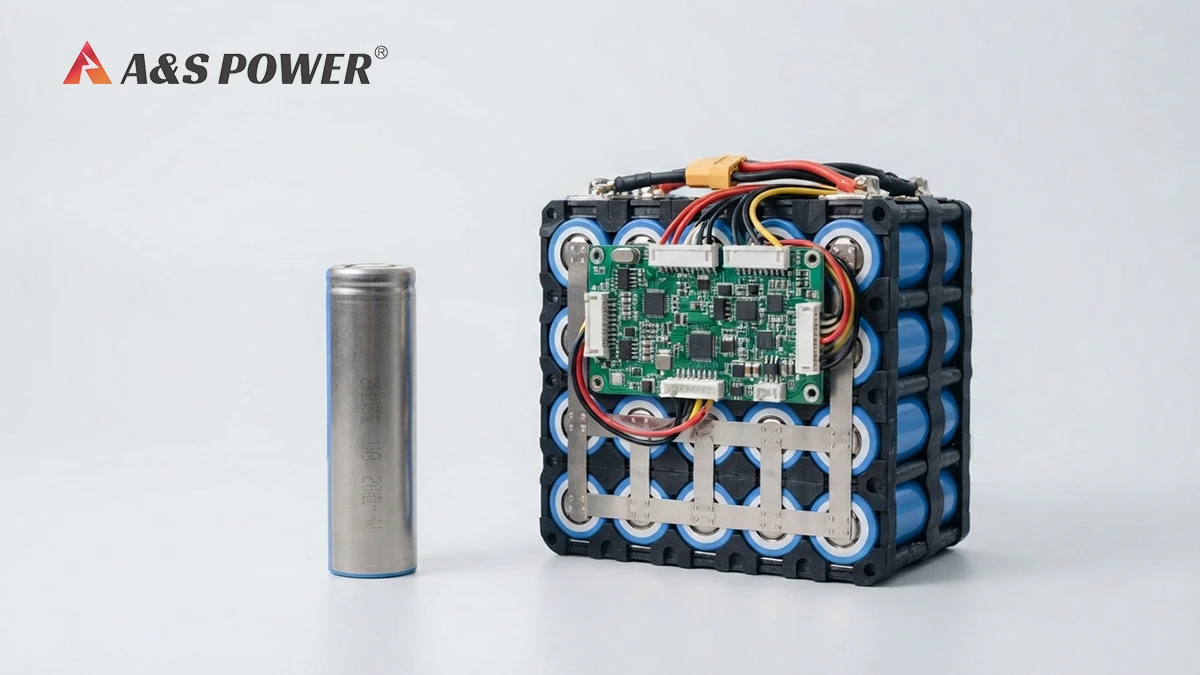 May.2026.08.0521700 Battery Pack with BMS: Design, Safety and Custom SolutionsLearn More
 -
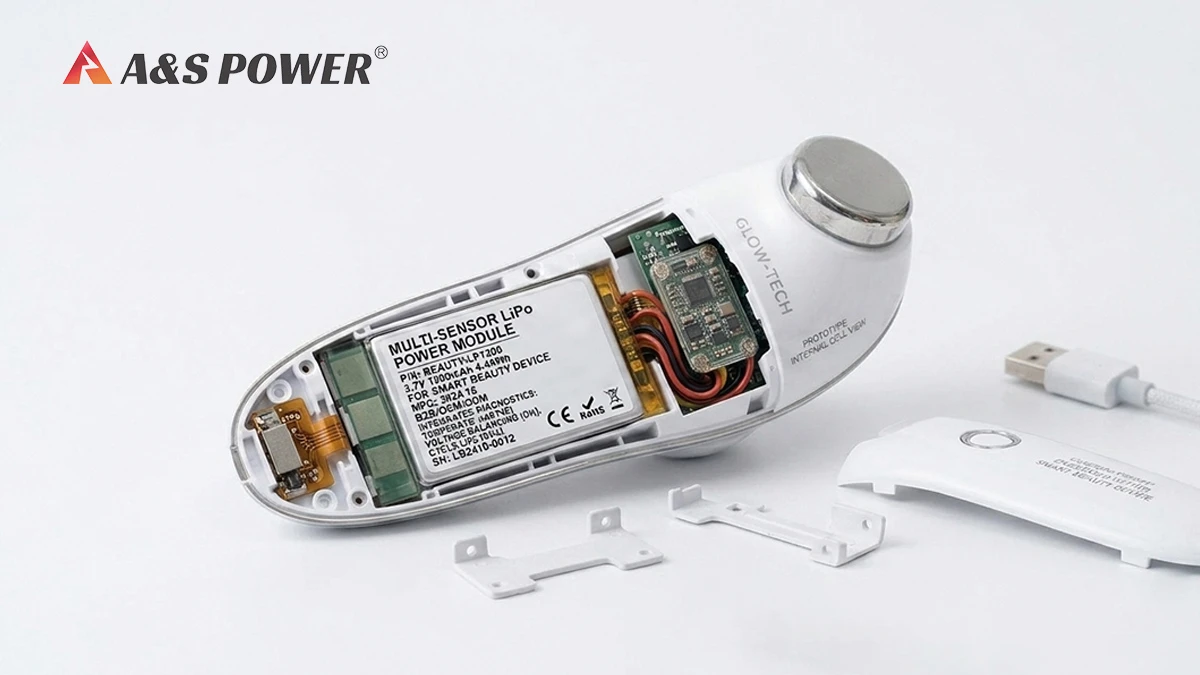 May.2026.08.04Smart Beauty Equipment Battery Pack ManufacturerLearn More
 -
 May.2026.08.04High Reliability Polymer Battery for Handheld Dental DevicesLearn More
 -
 May.2026.08.04Ultra Thin Lithium Polymer Battery 0.4mm 0.5mm Custom GuideLearn More
 -
 May.2026.07.30Smoke Detector Battery Guide: Choosing the Right Battery for Reliable Fire ProtectionLearn More