




Lithium Market Forecast 2026: Supply, Demand and Price Trends
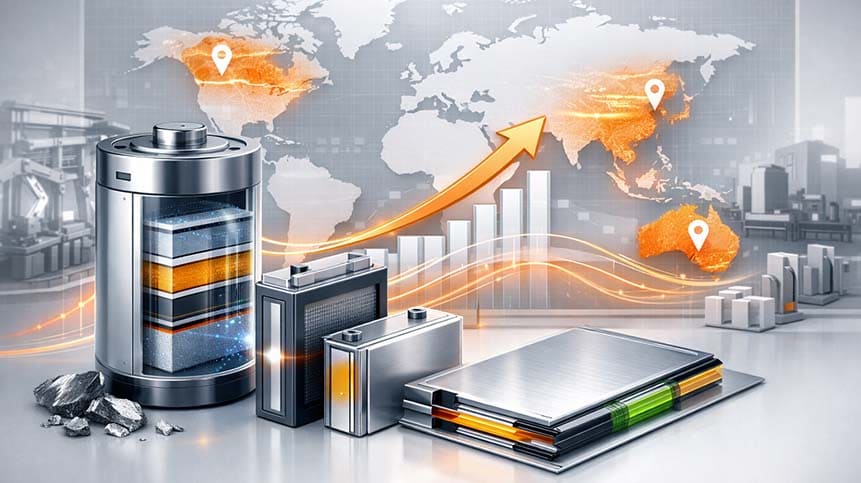
As a lithium battery manufacturer working closely with global OEM customers, we are often asked a critical question:
“What will the lithium market look like in 2026, and how should buyers prepare?”
In this article, I will provide a data-backed, industry-level forecast for lithium in 2026, covering:
-
Price trends
-
Supply and demand balance
-
Regional market outlook (Australia, Malaysia, Canada)
-
Implications for lithium-ion and lithium polymer battery buyers
This analysis is written from first-hand manufacturing and sourcing experience, combined with publicly available industry data, making it practical for procurement managers, engineers, and decision-makers.
Why the 2026 Lithium Forecast Matters for OEM Buyers
Lithium is no longer just a raw material — it is a strategic resource.
For OEM buyers, the 2026 forecast directly affects:
-
Battery pricing stability
-
Long-term supply contracts
-
Product roadmap planning
-
Risk management in procurement
From our experience, OEMs who lock in supply strategies 12–24 months ahead gain significant cost and delivery advantages.
Global Lithium Market Overview (2023–2025 Recap)
Recent Market Volatility
Between 2022 and 2024, lithium prices experienced:
-
Rapid price spikes due to EV demand
-
Sharp corrections caused by oversupply and inventory digestion
This volatility sets the stage for a more rational but still tight market in 2026.
Lithium Demand Forecast for 2026
EV Industry as the Primary Demand Driver

By 2026:
-
EV adoption continues to grow in double digits
-
Battery energy density requirements increase lithium intensity per vehicle
Estimated global lithium demand growth (CAGR): 15–18%
Energy Storage Systems (ESS)
Grid-scale and residential energy storage projects in:
-
Australia
-
Canada
-
Southeast Asia
are accelerating lithium consumption beyond EVs.
Consumer Electronics and Medical Devices
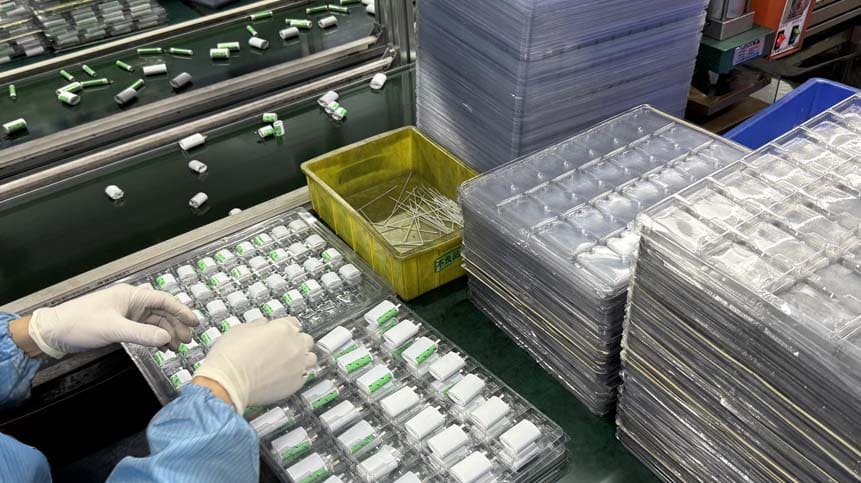
From our manufacturing orders, small-format lithium polymer batteries remain resilient, driven by:
-
Wearables
-
Medical monitoring devices
-
Portable diagnostics
Lithium Supply Forecast for 2026
Mining Expansion vs. Real Supply
While many new lithium projects are announced, actual production often lags due to:
-
Environmental approvals
-
Infrastructure constraints
-
Capital expenditure delays
Key Supply Regions
| Region | Role in 2026 |
|---|---|
| Australia | Largest spodumene supplier |
| South America | Brine-based lithium expansion |
| China | Refining & conversion hub |
| Canada | Emerging strategic supplier |
Lithium Price Forecast for 2026
Expected Price Range
Based on historical cycles and current project pipelines:
| Lithium Product | Estimated 2026 Price Range |
|---|---|
| Lithium Carbonate | USD 18,000 – 25,000 / ton |
| Lithium Hydroxide | USD 20,000 – 28,000 / ton |
Prices are expected to stabilize, not collapse.
Key Price Influencing Factors
-
EV policy incentives
-
Refining capacity bottlenecks
-
Long-term OEM contracts
-
Geopolitical supply chain risks
Regional Outlook for Target Markets
Australia
Australia remains:
-
A lithium supply leader
-
A fast-growing energy storage market
OEM buyers benefit from stable regulatory frameworks.
Malaysia
Malaysia is emerging as:
-
A battery assembly hub
-
A Southeast Asia logistics gateway
Demand for custom lithium battery packs is growing steadily.
Canada
Canada’s lithium strategy focuses on:
-
Supply chain localization
-
Clean energy and EV manufacturing
This creates opportunities for certified battery suppliers.
What the 2026 Lithium Forecast Means for Battery Buyers
From our experience serving B2B clients:
-
Short-term spot buying increases risk
-
Strategic supplier partnerships reduce volatility
Best Procurement Strategies
-
Multi-year pricing frameworks
-
Dual sourcing of battery cells
-
Customized battery pack design optimization
Lithium Forecast Impact on Lithium-Ion vs. Lithium Polymer Batteries
| Battery Type | 2026 Outlook |
|---|---|
| Lithium-ion | Strong EV & ESS demand |
| Lithium Polymer | Stable growth in medical & electronics |
Data Support Summary Table
| Metric | 2026 Projection |
|---|---|
| Global lithium demand growth | 15–18% |
| EV share of demand | ~65% |
| Price volatility | Medium |
| OEM sourcing risk | Moderate without contracts |
How We Help OEM Customers Navigate the 2026 Lithium Market
As a lithium battery manufacturer, we support customers with:
-
Custom battery design
-
Long-term supply planning
-
Certification-ready solutions
This is where manufacturing experience meets market intelligence.
FAQ – Lithium Forecast 2026
Will lithium prices rise again in 2026?
Prices are expected to stabilize with moderate upward pressure, not extreme spikes.
Is there a risk of lithium shortage in 2026?
Shortages may occur regionally without long-term contracts.
Which countries will dominate lithium supply?
Australia, China (refining), and South America remain dominant.
Should OEMs lock lithium pricing now?
Yes. Strategic contracts reduce long-term risk.
References
-

 May.2026.10.23Why Does Actual Battery Capacity Differ from Rated Capacity?Learn More
 -
 May.2026.10.21Why Do High-Current Batteries Need High-Rate Cells?Learn More
 -
 May.2026.10.20Understanding Small 12 Volt Batteries and Their FeaturesLearn More
 -
 May.2026.10.19Why Does Battery Capacity Decrease at High Temperatures?Learn More
 -
 May.2026.10.19Does a Higher-Capacity LiPo Battery Have to Be Bigger?Learn More